What an AI automation consultant costs (and how to budget for it)
Budget planning · By Robert Breen Most AI automation budgets go wrong in the same place: they cover the build and forget everything after it.

Budget planning · By Robert Breen Most AI automation budgets go wrong in the same place: they cover the build and forget everything after it.
AI voice agents · By Robert Breen An AI voice agent answers the phone, talks like a person and gets something done, such as booking
Comparison · By Robert Breen I teach n8n on Udemy, and my free Stepthrough lessons cover Make and Zapier too, so I’m not here to
Cost breakdown · By Robert Breen Self-hosted n8n looks free and n8n Cloud looks like a monthly bill, so the choice seems obvious. It isn’t.
Buyer’s guide · By Robert Breen The choice between an n8n freelancer and an agency is really a choice about risk: who carries it, and
Hiring guide · By Robert Breen Anyone can build an n8n workflow that works in a demo. You want someone who builds one that still
Hiring guide · By Robert Breen The honest answer is “it depends,” but that isn’t much use when you’re building a budget. This guide covers
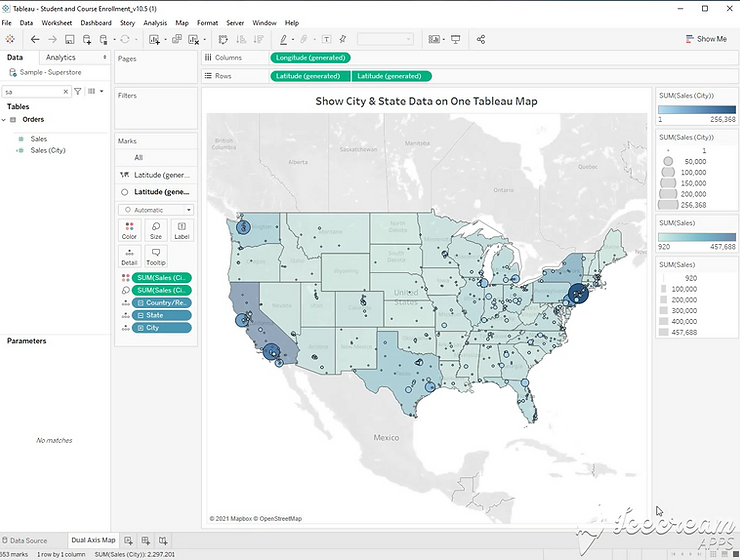

Step 1: Double Click [State] to create a map. Double click [City] Step 2: Right click [Sales] and create a calculated field. You will need

Step 1: Double Click [State] to create a map. Double click [City] Step 2: Right click [Sales] and create a calculated field. You will need

How do you find the correlation of two aggregated values in tableau in this example I have a scatter plot of kpi and kpi2 and

How do you highlight the max value in tableau in this example I have a table with kpi business line and product and i’ve highlighted
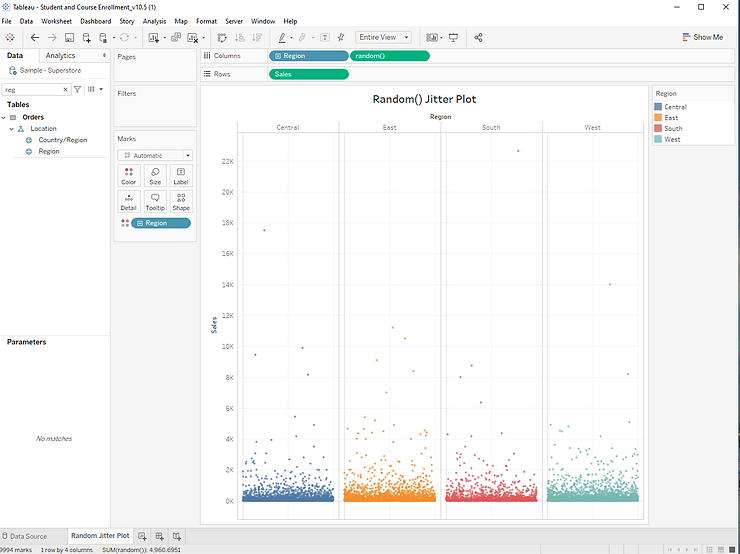
Step 1: Drag [Sales] to the rows shelf, and [Region] to the columns shelf. Step 2: Click Analysis, and unselect “Aggregate Measures”. This will result
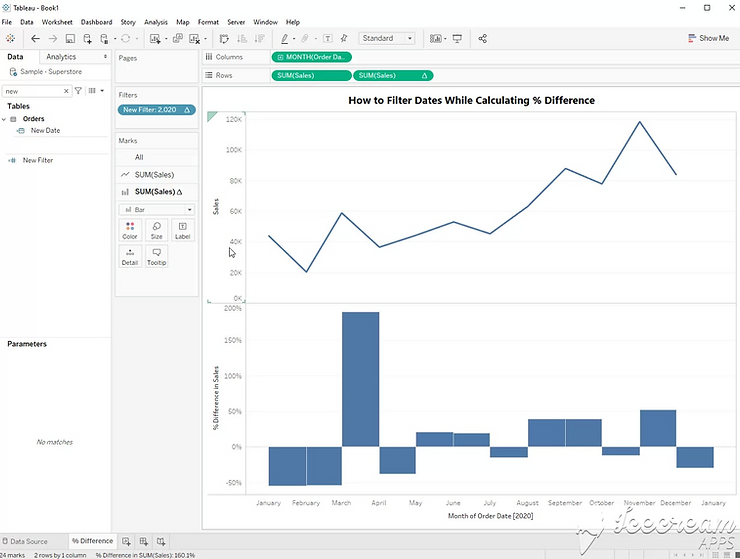
Filters can cause problems when using table calculations in Tableau. Here’s a trick to use a filter while also using table calculations. We’ll use the
How do you format positive and negative values in tableau in this example I have sum of profit by state and region and I’m showing
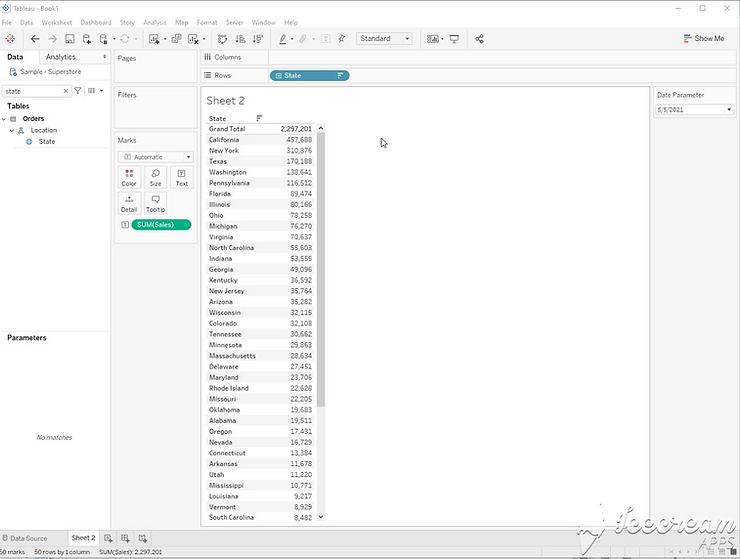
Step 1: Start with [State] on rows, and sum([Sales]) on Text. Step 2: Create a rank calculation. Rank(Sum([Sales])) Step 3: Add the calculation to the
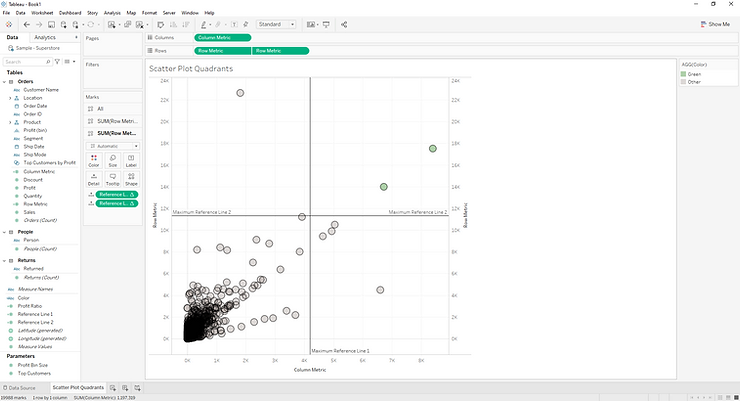
Step 1: Build a scatter Plot using a metric on columns and a metric on rows. Unselect aggregated measures to finalize the scatter plot. Step
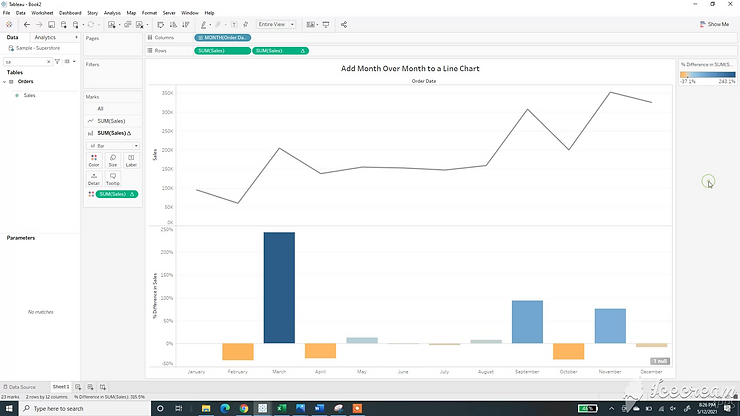
Step 1: Start by adding Month to columns, and Sales to rows. This will give you a line chart. Step 2: Hold the control key
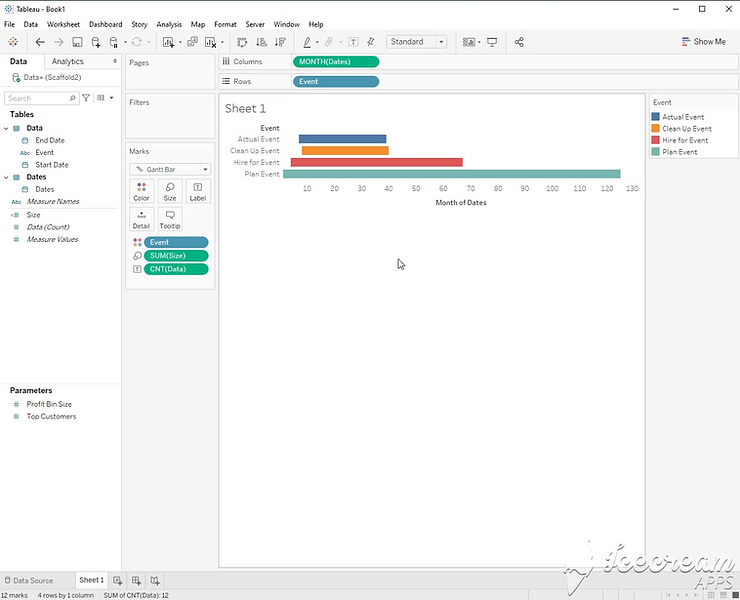
Step 1: Create a Dates Table Step 2: Join the dates table with your data on [Start Date] <= [Date] and [End Date] >= [Date]
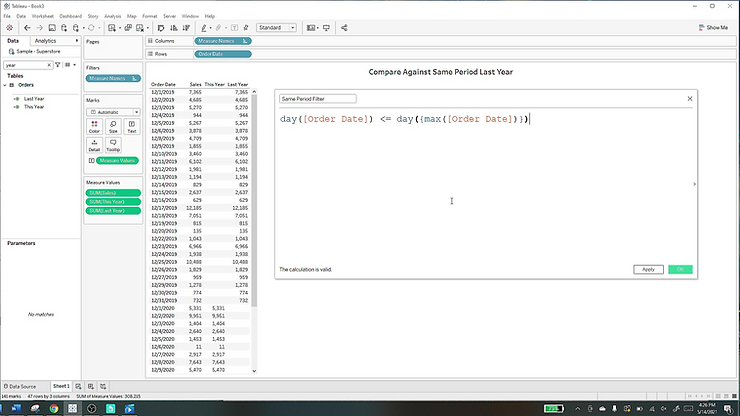
Let’s start with a simple example. Within a single calculation, all parts of a calculation must be either aggregated or not aggregated. This calculation is
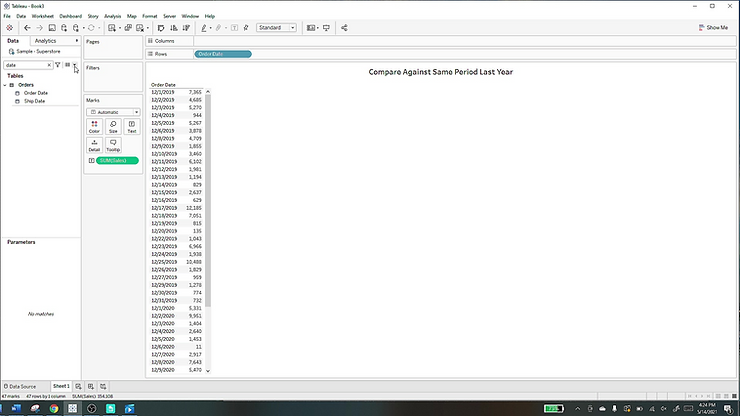
Step 1: Create a crosstab by dragging order date to rows, and sales to the text shelf. In this data, we only have December 2019
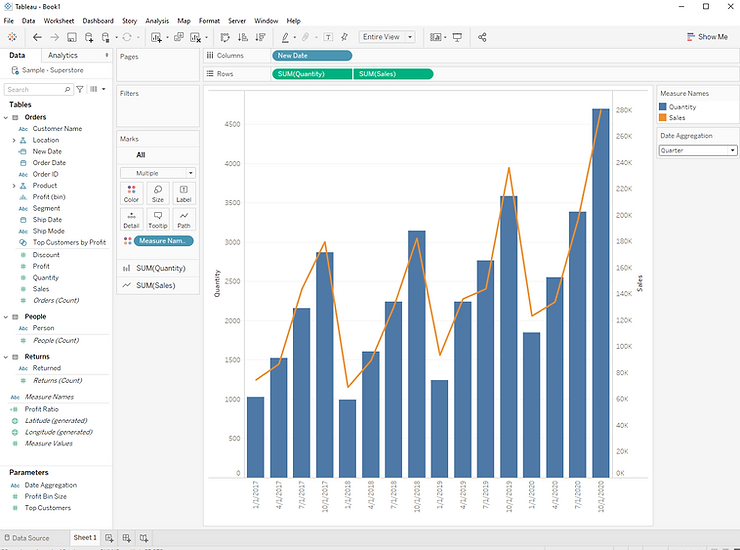
Step 1: Build a dual axis chart using [Date], [Quantity], and [Sales]. The result will be a combined bar and line chart. Step 2: Create
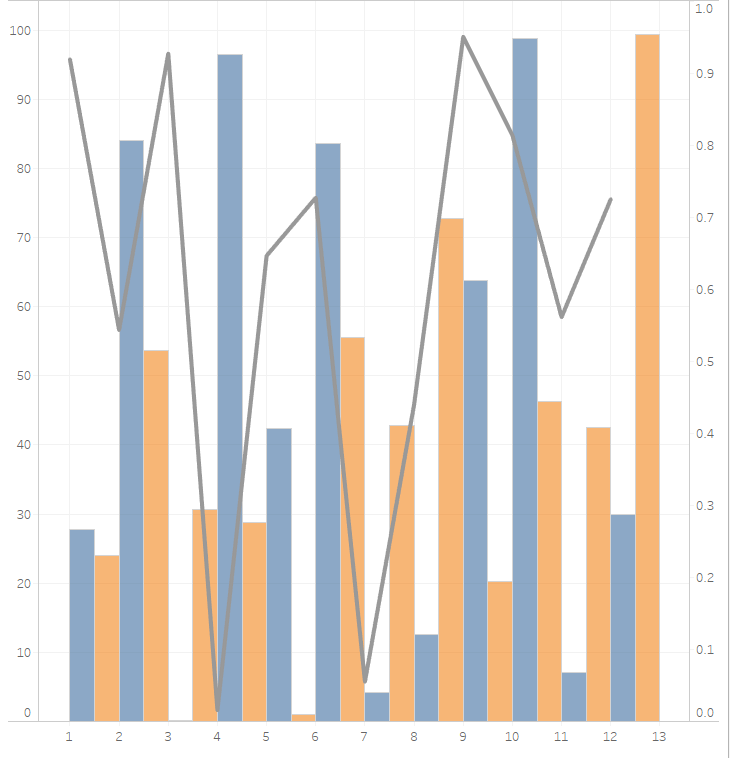
Step 1: Select all of your metrics. Right click one of them. Select Transform > Pivot. This will give you pivot field names and pivot
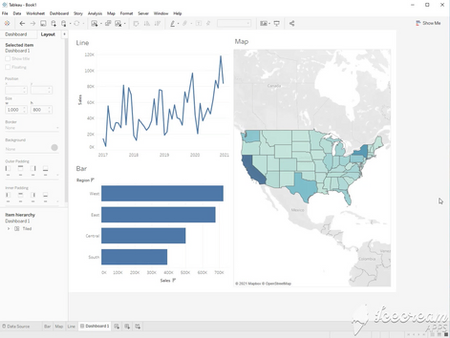
0:00 / 1:54 Step 1: Start with three sheets. A Bar Chart, Line Chart, and a Map View. Step 2: Set your objects to Floating.